
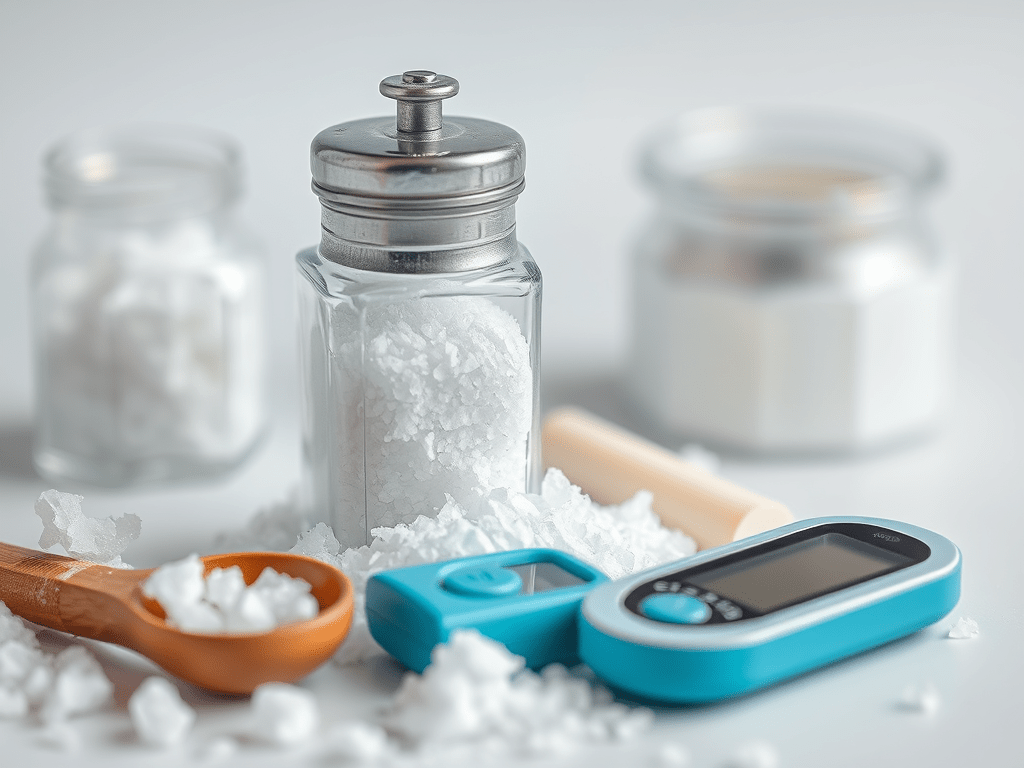
Type 2 Diabetes is a chronic condition in which the sugar levels rise in the blood. In type 2 diabetes, the body does not make sufficient insulin or does not use insulin well. Thus, the required amount of insulin does not reach the cells and the excess insulin stays in the blood.
This type of diabetes can occur at any age but most likely occurs in middle-aged and older people. Risk factors for type 2 diabetes include family history of diabetes, overweight physical inactivity, gestational diabetes, prediabetes or obesity, and insulin resistance. 2 out of 3 people with diabetes are known to have high blood pressure. They are twice as likely to suffer from heart disease or stroke as compared to a non-diabetic person.
As soon as you understand that you have been diagnosed with diabetes, the first thing that comes into your mind is to control your carbohydrate intake, more precisely, your sugar intake. It’s a well-known fact that uncontrolled carbohydrate intake can increase the risk of diabetes.
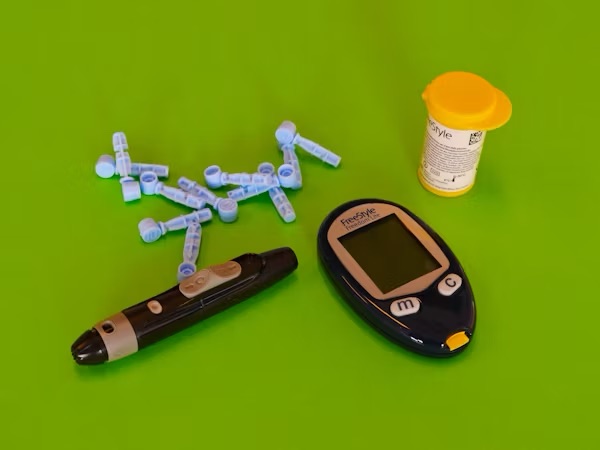
However new research points to the link between type 2 diabetes and salt intake. Salt does not directly impact blood sugar levels. This is because, sodium, which is a component of salt, impacts insulin resistance. Excessive salt intake may lead to hypertension, ultimately leading to weight gain. A new study by researchers in Sweden found that each extra gram of salt (2.5 gms of salt per day) was linked to a 43 percent higher risk of type 2 diabetes. It also concluded that people who consumed salt at a higher amount were 58 percent more likely to develop type 2 diabetes than people who consumed a low amount of salt.
So, are your common salt and sodium the same thing? They may seem to be the same, but they are not. Sodium is a natural element, it’s a mineral. It is regulated by the kidney, helps control the body’s fluid balance, and supports muscle and nerve functions. Whereas salt contains 40 percent sodium by weight. Hence reducing salt in your diet can play a vital role in lowering your hypertension and thus heart disease. According to the American Heart Association, people with diabetes are more prone to cardiovascular diseases due to the presence of risk factors like hypertension, high LDL (Bad cholesterol), having a sedentary lifestyle, and being overweight. Hence restricting salt intake can help immensely in preventing complications with diabetes.
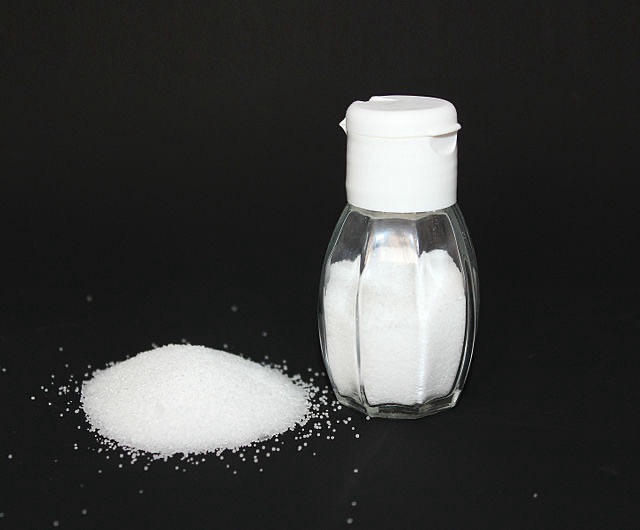
The source of salt intake is not always from your saltshaker. Consumption of processed foods, prepackaged foods, and dining out at restaurants play a major role here. Salty foods have a high glycaemic index (GI). Hence, it’s advisable to eat more at home and reduce processed food and dining-out options weekly. This shall enormously cut down the extra sodium intake.
It is recommended that people with diabetes limit their salt intake to 2300 mg per day.
Tips for reducing salt intake:
- Home food: When you cook your food at home, you can control how much salt is added.
- Fresh foods: Use fresh vegetables and fruits and food that don’t have added salt. Processed and packaged foods are often high in salt.
- Take the saltshaker off your table: This will prevent you from adding extra salt to your food.
- Using other spices: Try using ginger, garlic, and other herbs to add flavor to your food.
- Check food labels: Check food labels for the words salt and salt chloride. Buy foods with low salt, reduced salt, or no salt added ones.
- Rinse canned food: Rinsing canned food before eating or cooking it can help get rid of excess salt.
- Customized dining-out options: Focus on baked and grilled food, avoid food with sauces, and refrain from adding extra salt to your food.
Meanwhile, if you already have too much sodium reserves in your body, try getting rid of it by consuming potassium-rich foods such as leafy greens, avocado, nuts and seeds, coconut water, broccoli, beet, etc. Plenty of water intake is also recommended. Additionally, stress needs to be kept in check as it releases cortisol hormone which impacts blood sugars.

Moreover, adrenal glands release aldosterone which impacts sodium and potassium levels causing sodium retention and potassium depletion. This can lead to insulin resistance and develop diabetes.
Diabetes is an alarming epidemic. By 2035, it’s estimated that 1 in 10 people worldwide will have diabetes. Diet and lifestyle changes can help keep sodium in check in your body and play a role in reversing the disease. Salt may not have a direct impact on blood sugars but indirectly it may contribute in several ways. It’s important to manage your health management goals by tailoring them according to one’s lifestyle and health. Talk to your healthcare provider and nutritionist about measures to curb your salt intake.

 Dr. Sushmita Ganguli
Leave a comment