
Introduction:
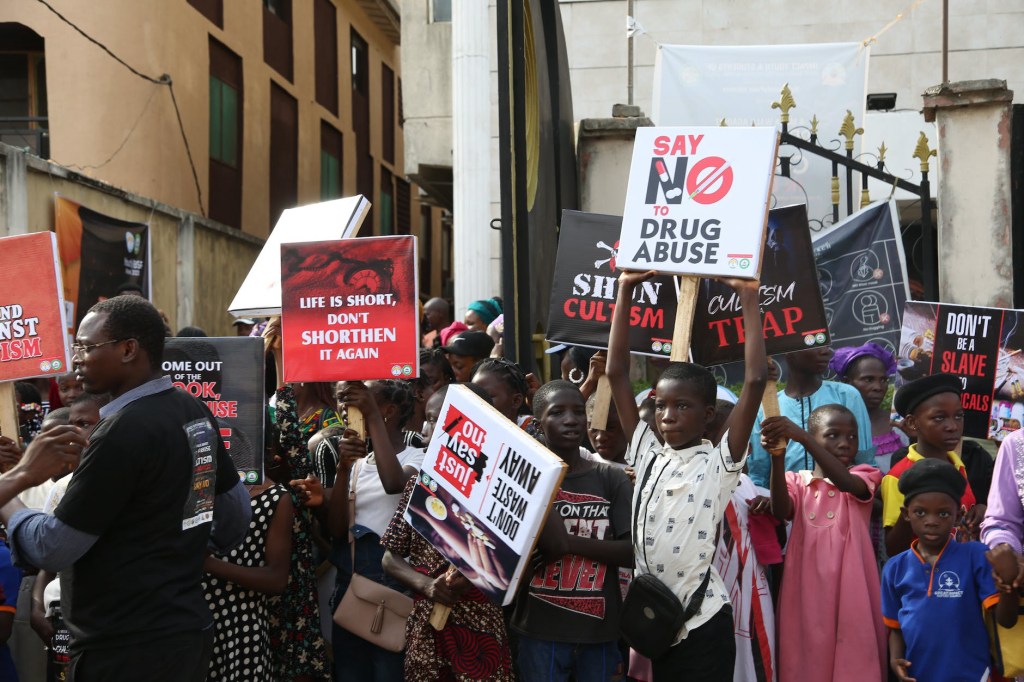
Drugs are chemical substances that can change how your mind or body works. They include alcohol, tobacco, prescription medicines, over-the-counter medicines, and illegal drugs. Drug abuse and addiction are some of the most challenging problems faced by the world today. Drug addiction is a chronic and relapsing disease that affects your brain and behaviour which can be long-lasting. It is characterized by compulsive and uncontrollable drug seeking and use. When you are addicted to drugs, you can’t resist the urge to use them, no matter how much harm the drugs cause. The earlier you get treatment for drug addiction, the more likely you are to avoid the more dire consequences of the disease.
Drug abuse is using legal or illegal substances in certain ways that shouldn’t be used. Drugs are abused to ease stress, avoid reality, or feel good. But you can stop using it. Drug addiction is different from tolerance or physical dependence. In cases of physical dependence, withdrawal symptoms happen when you stop using the drug suddenly. Tolerance happens when the dose of a substance becomes less effective over some time. For example, when you use opioids for pain over a long time, you may develop tolerance and even dependence. So, this does not label you as addicted.

Effect of Drug abuse on the body:
The drugs target the brain with the neurotransmitter dopamine which triggers a feeling of intense pleasure. Over time, the brain gets used to this extra dopamine and then extra drug intake is needed to get the same good feeling. Long-time drug usage leads to changes in the brain’s chemical systems and affects our judgment, decision-making, memory, and ability to learn.
Drugs can impact almost every organ in our body. It may lead to a weakened immune system making one susceptible to illness and infections. It can affect the heart leading to various heart conditions ranging from abnormal heart rates to heart attacks, collapsed veins, and blood vessel infections at injected sites. It may also lead to changes in appetite and weight loss due to nausea and abdominal pain. There may be a risk of liver damage and failure due to increased strain on the liver. It may also lead to lung diseases, breast development in men, and increased body temperature. The most severe consequence of drug abuse is death.
Epidemiology of Drug Abuse:
Cannabis, Marijuana, and Hashish are the most widely abused drugs across the globe. Around 141 million people abuse cannabis. The abuse of stimulants like amphetamine and ecstasy is widespread by around 30 million people whereas cocaine is used by around 13 million people mainly in the US. Heroin and opioids are abused by approximately 8 million people mainly in South Asia and Europe. Men are more likely to use drugs than women, single individuals than married people, and urban people more than rural people. Street children, prisoners, and youngsters are also more likely to abuse drugs.
Mode of administration:
Different routes of administration for drug abuse include orally in the form of a pill, inhaling in the form of smoke, or snorting the substance.
Causes of Drug Abuse:
- Curiosity and peer pressure.
- The use of prescription drugs intended for pain relief which ultimately turned into addiction.
- Chemicals used as a part of religious practices or rituals.
- Recreational purposes.
- As a means of creative inspiration.
Types of Drug Abuse Groups:
- Depressants: These cause depression of the brain’s faculties and examples include sleeping pills (barbiturates) and heroin.
- Stimulants: These cause stimulation of the brain giving rise to alertness and increased bursts of activity, rapid heart rate, dilated pupils, and increased blood pressure. In severe cases, it may lead to delusional psychosis. Examples include cocaine and amphetamines.
- Hallucinogens: These cause, hallucinations, distorted sensory perceptions, delusions, paranoia, and depression Drugs included in this category are ecstasy, mescaline, and LSD.

Risk Factors for Drug abuse and addiction:
We as individuals are unique and so is our body and brain. Not everyone who uses drugs becomes addicted. It can happen to any person and at any age. The following factors may increase the chances of addiction:
- Family history: If parents or siblings in the family have problems with alcohol or drugs, the chances for you also increase due to the genetic factor.
- Early drug use: Using drugs at an early age increases the chances of getting addicted when you grow older.
- Mental disorders: If you are depressed, or have a history of trauma in your life, it can make you more susceptible to addiction.
- Troubled relationships: If your upbringing has been in a family with discords and unhealthy relationships with parents or siblings, chances increase for addiction. If there is trouble at school or work, in making friends, it can lead to trying drugs and getting addicted.
- Hanging around with people who use drugs can also encourage you to abuse drugs.
Signs of Drug addiction:
- Inclination to use drugs several times a day.
- Taking drugs for a longer time than required.
- Always having the drug with you and buying it even if it’s not affordable.
- Spending more time alone.
- Not taking care of yourself or not caring about your looks.
- Stealing, lying, having unsafe sex, driving when high.
- Spending most of the time recovering from the effects of drug use.
- Feeling sick when trying to quit.
- Sleeping at strange hours.
Consequences of Drug Addiction:
The consequences are severe and affect the physical, mental, social, and spiritual health of the individual.
- Physical Consequences: Bruises, scratches, lip burns, diseases like HIV, Hepatitis C, sexual abuse, physical abuse, increased tolerance, physical dependence, and withdrawal symptoms are physical consequences.
- Mental Consequences: Psychosis, anxiety, depression, and mood swings are common mental consequences.
- Social Consequences: These include school dropouts, loss of job, hospitalizations, legal problems, financial loss, troubled relationships, and victims or perpetrators of any kind of abuse.
- Spiritual Consequences: These include feeling lonely, hopeless, scared, guilty, ashamed, unhappy, and restless for no reason.
Treatment:
The treatment for drug addiction includes counselling medicines or both. If someone has a mental disorder along with addiction, it is known as dual diagnosis where the treatment for both is needed.
If someone has severe addiction, it may then require a hospital-based or residential treatment which combines both treatment and residence.
Research has shown that combining medicines with counselling gives the desired results and improves the success rate of recovery.
Counselling can be individual, family, or group therapy which helps in understanding the reason for addiction, and the causes of the behavioural changes. It also helps to deal with the drug problem so that there is no going back to drugs and avoiding the situation, people, and places that tempt them to use drugs.
Medicines can help manage the withdrawal symptoms. These medicines help to re-establish brain function and decrease cravings.
Long-time follow-up is crucial to prevent relapse.
Preventive measures:
- Preventing drug addiction starts with education in schools, communities, and families.
- Preventive programs help to increase protective factors and reduce risk factors for drug abuse.
- One should not try illegal drugs, even for once.
- Never take prescription drugs more than instructed.
- Teens should learn to deal with peer pressure and push into harmful things.
- Adults are overworked and overwhelmed and often feel like taking drugs to overcome life pressure. They should find other ways to handle stress and unwind.
- Drug abuse and mental illnesses often go hand in hand and people should seek professional help to treat them in time.
- One should be also aware of the biological, environmental, and physical risk factors if they possess any.
- One should try to have a good work-life balance and practice healthy living habits like eating well, exercising, meditation, etc.
Conclusion:
Drug addiction can be treated effectively by stopping using drugs, staying away from drugs, and being productive in the family, at work, and in society. No single treatment is right for everyone. People need to have quick access to treatment and staying in treatment long enough is critical for optimum results. Counselling and behavioural therapies combined with medication are an important part of treatment. Treatment should be monitored and reviewed according to patients changing needs.
Drug abuse and addiction are preventable. Prevention programs involving families, communities, schools, and media may help in preventing drug abuse and addiction. Social awareness with education and outreach to society with help people know the risks of drug abuse and addiction.

 Dr. Sushmita Ganguli
Leave a comment